About Storage & Handling
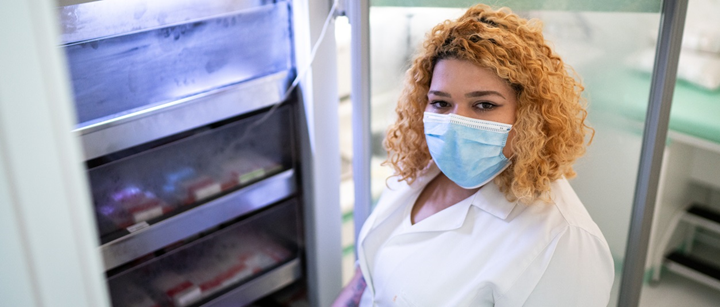
Proper storage and handling play critical roles in efforts to minimize vaccine-preventable diseases. Vaccines exposed to temperatures outside recommended ranges may have reduced potency and result in limited patient protection, potential patient revaccination, and thousands of dollars in wasted vaccines.
A cold chain is a temperature-controlled supply chain that begins with cold storage at the manufacturing plant, extends to vaccine shipments and proper storage at clinic sites, and ends with vaccine administration.
Providers must ensure vaccines remain within manufacturer-recommended temperatures from receipt through administration. Always follow manufacturer product-specific guidance, including at what temperature vaccines should be stored, how to store and reconstitute vaccines if needed, and when to discard vaccines.
Temperature Ranges
- Refrigerators: Between 36°F and 46°F (2°C and 8°C)
- Freezers: Between -58°F and 5°F (-50°C and -15°C)
- ULT: Between -130ºF and -76ºF (-90ºC and -60ºC)
Too Hot? Too Cold?
Vaccine stability is the capacity of a vaccine to maintain its properties throughout its shelf life and ensures vaccine potency. Potency is reduced every time a vaccine is exposed to an improper condition, including overexposure to heat, cold, or light at any step in the cold chain. Once lost, potency cannot be restored.

Out-of-range temperatures can produce these results:
- Reduced vaccine potency
- Inadequate immune response in patients
- Revaccination if administered doses were compromised
- Lost confidence in vaccines and providers
- Provider replacement of affected doses due to negligent loss
Protecting the Cold Chain
An effective cold chain relies on four key elements:
Consistent and accurate temperature monitoring: Responding quickly to out-of-range temperatures in vaccine storage units or transport situations minimizes spoilage and potential revaccination of patients. Staff and supervisors should be well-versed in temperature monitoring and required actions in the event of temperature excursions.
Well-trained staff: Staff who store and prepare vaccines for administration should be trained in vaccine-related practices and be familiar with program requirements related to training, policies, and procedures.
Reliable storage equipment: Vaccine storage units and data loggers must meet program requirements and be set up correctly, maintained appropriately, and repaired as needed to protect patients from inadvertently receiving compromised vaccine.
Accurate and complete vaccine management plan: Clearly defined protocols help facilities stay organized, serve as a reference and training tool, and ensure proper vaccine management for routine situations. Emergency preparedness gives staff the confidence to respond quickly to unplanned events to protect staff and your vaccine supply.